Analysis
Three powers in Shenzhen: what the Trump, Xi, and Putin summit negotiates — and who is left outside the room
White House and Kremlin confirm unprecedented meeting on APEC sidelines; agenda covers nuclear arms and Iran, leaves Ukraine out, and exposes the limits of great-power diplomacy
Mizan · Edited by: Prof. Dr. Adriano de Assis Ferreira ·
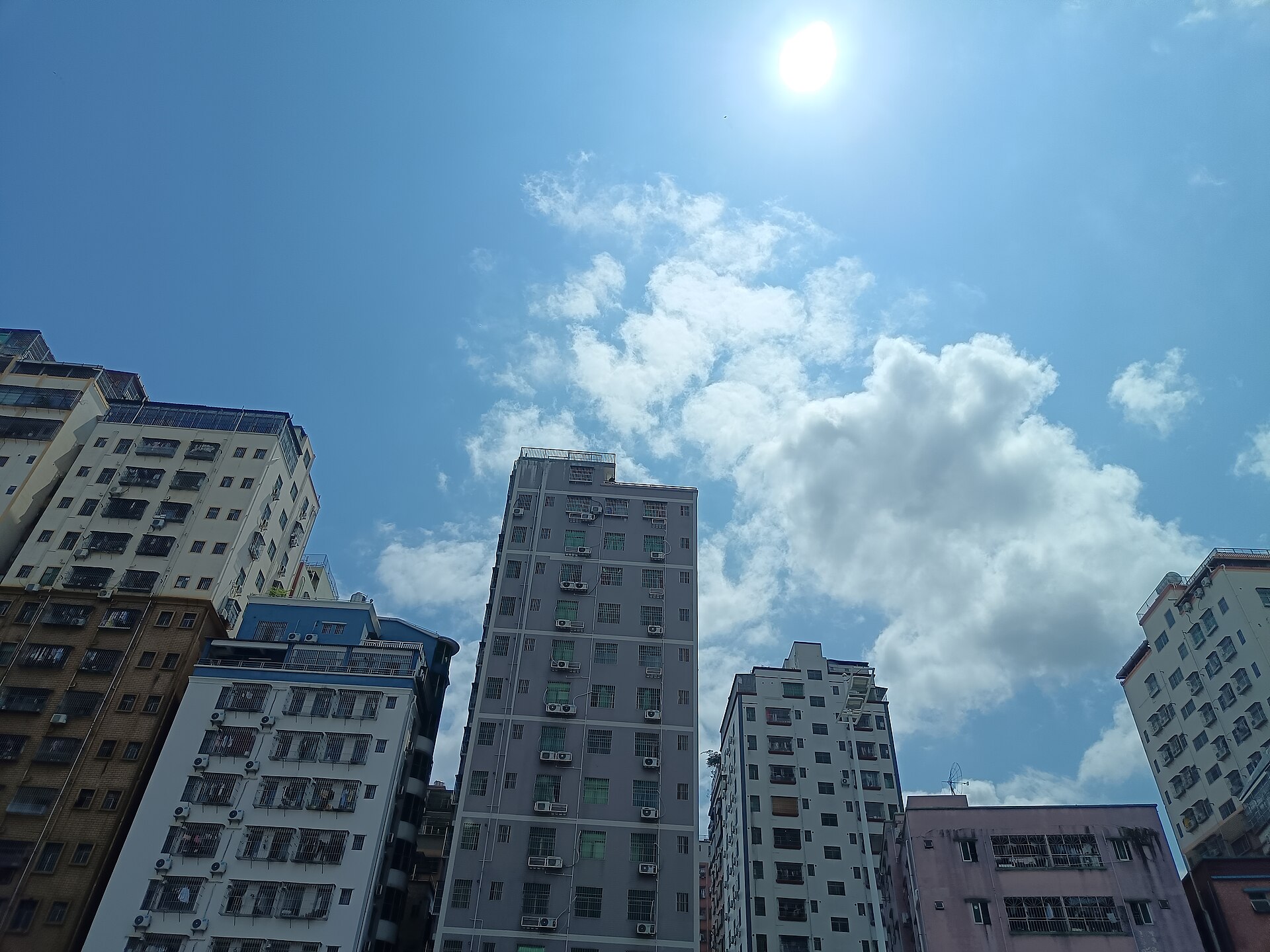
Next Thursday, November 19, Donald Trump, Xi Jinping, and Vladimir Putin are set to sit at the same table in Shenzhen, southern China, on the sidelines of the Asia-Pacific Economic Cooperation (APEC) summit. The White House confirmed the unprecedented meeting on Friday (13); on Saturday (14), Kremlin spokesman Dmitry Peskov ratified the date and venue to Russian state news agency TASS. It will be the first face-to-face trilateral summit between the leaders of the United States, China, and Russia — an image no recent multilateral gathering has produced, and one that already divides interpretations over what is being negotiated behind closed doors.
In Washington, spokeswoman Olivia Wales announced that Trump intends to address nuclear weapons reduction, calling proliferation "very dangerous." U.S. officials added that the president will also bring up the war in Iran, while leaving Russia's war in Ukraine off the table, handled on a separate Washington-Moscow track. The official U.S. calculation is blunt: a senior official speaking on condition of anonymity described the talks as an entry point with no expectation of an immediate deal, and urged Beijing — whose nuclear arsenal is allegedly growing faster than any other country's — to "step up to the adult table," as reported by Anadolu Agency.
On the Russian side, the official framing aims for a different effect. Peskov dismissed comparisons to the 1945 Yalta Conference — when Roosevelt, Churchill, and Stalin redrew spheres of influence in Europe — and insisted that no country should impose its view of global order on others. Yet, as European outlets such as RFI and DW note, the trilateral format itself restores Putin to the center of the chessboard as an equal interlocutor alongside Washington and Beijing, even without a separate one-on-one meeting scheduled between the U.S. and Russian presidents. Beijing, hosting APEC on November 18–19 and holding a bilateral working lunch between Xi and Trump beforehand, seeks to project itself as a champion of open trade in the Asia-Pacific without locking itself into nuclear limits that would cement permanent inferiority to U.S. and Russian arsenals.
What stays outside the room in Shenzhen
Beyond official statements, reactions from outside the trio expose unease with the summit's very form. Liberal analysts and diplomats cited in international coverage worry that the trilateral meeting will hollow out APEC's economic agenda and signal abandonment to traditional allies — especially in Kyiv and Taipei. Ukrainian President Volodymyr Zelensky warned specifically against a new redistribution of spheres of influence decided over the heads of the nations directly affected. Along similar critical lines, progressive readings argue that great-power summitry replaces multilateral institutions and shared rules with backroom bargains among heavily armed states.
Yet both the liberal defense of institutions and the progressive critique of great-power politics stop short of the engine driving the crisis itself. Washington's official framing treats nuclear restraint as a matter of technical responsibility among "adult" powers, without questioning the doctrine of nuclear deterrence that grants those very powers a monopoly on intimidation. The liberal reading laments the erosion of alliances and APEC's free-trade spirit, as if competition over markets, tariffs, and tech supply chains were not precisely what pushed the U.S. and China into permanent friction. And the progressive critique of a "new Yalta," in calling for broader diplomatic inclusion, often assumes that rival capitalist states can pacify their disputes through wider forums without touching the political economy of the arms industry and technological rivalry.
The tech stage of an old dispute
It is no minor detail that the meeting takes place in Shenzhen, China's industrial and technological showcase, and that billionaire Elon Musk — owner of Tesla and SpaceX — will join Trump's delegation on the trip, albeit outside the trilateral room. As the South China Morning Post and teleSUR point out, even without expectations of a definitive nuclear treaty, the gathering unfolds amid trade tensions, semiconductor disputes, and active armed conflicts. While El País and Folha de S.Paulo emphasize the unprecedented nature of the scene, Brasil de Fato tracks the convergence between APEC's agenda and geopolitical repositioning around China.
When three states concentrate talks on nuclear weapons and regional wars in a closed-door session, the real impact is not measured solely by a final communiqué — or the lack of one. Socially, populations in Ukraine and the Middle East remain exposed to wars whose fate is treated as a side variable in someone else's agenda, while workers worldwide absorb the shock of tariffs and militarized supply chains. Individually, the normalization of nuclear brinkmanship and permanent war feeds a quiet, pervasive insecurity over decisions on which ordinary citizens have no vote. Environmentally, every cycle of arsenal modernization and competition over strategic infrastructure drains public funds, energy, and critical minerals needed for an ecological transition — at the very moment climate summits stall for lack of financing.
An unresolved contradiction remains, even for critics of great-power politics. If the alternative to closed-door talks among the United States, China, and Russia is the complete absence of nuclear de-escalation channels, would the world be safer without the Shenzhen photo? Yet if the only way to prevent a catastrophic escalation is to accept that three presidents decide behind closed doors what enters and exits the agenda — leaving entire nations outside — doesn't the price of stability end up legitimizing those who rule the world?
Sources
- Bloomberg · ■ private, US
- TASS · ▲ state, RU
- BBC
- The Japan Times · ■ private, JP
- Anadolu · ▲ state, TR
- CBS News
- RFI Brasil · ● public, FR
- DW Brasil · ● public, DE
- Kompas
- South China Morning Post · ■ private, HK
- teleSUR · ▲ state, VE
- El País · ■ private, ES
- Folha (Mundo) · ■ private, BR
- Brasil de Fato · ◆ independent, BR
Editor in charge: Prof. Dr. Adriano de Assis Ferreira · Lattes · ORCID