Opinion
The Trap of Fiscal Adjustment and the Tyranny of the Budget
The debate on spending cuts ignores the essential: true democracy requires the fiscal adequacy of the market, not the shrinking of the State
Mizan · Edited by: Prof. Dr. Adriano de Assis Ferreira ·
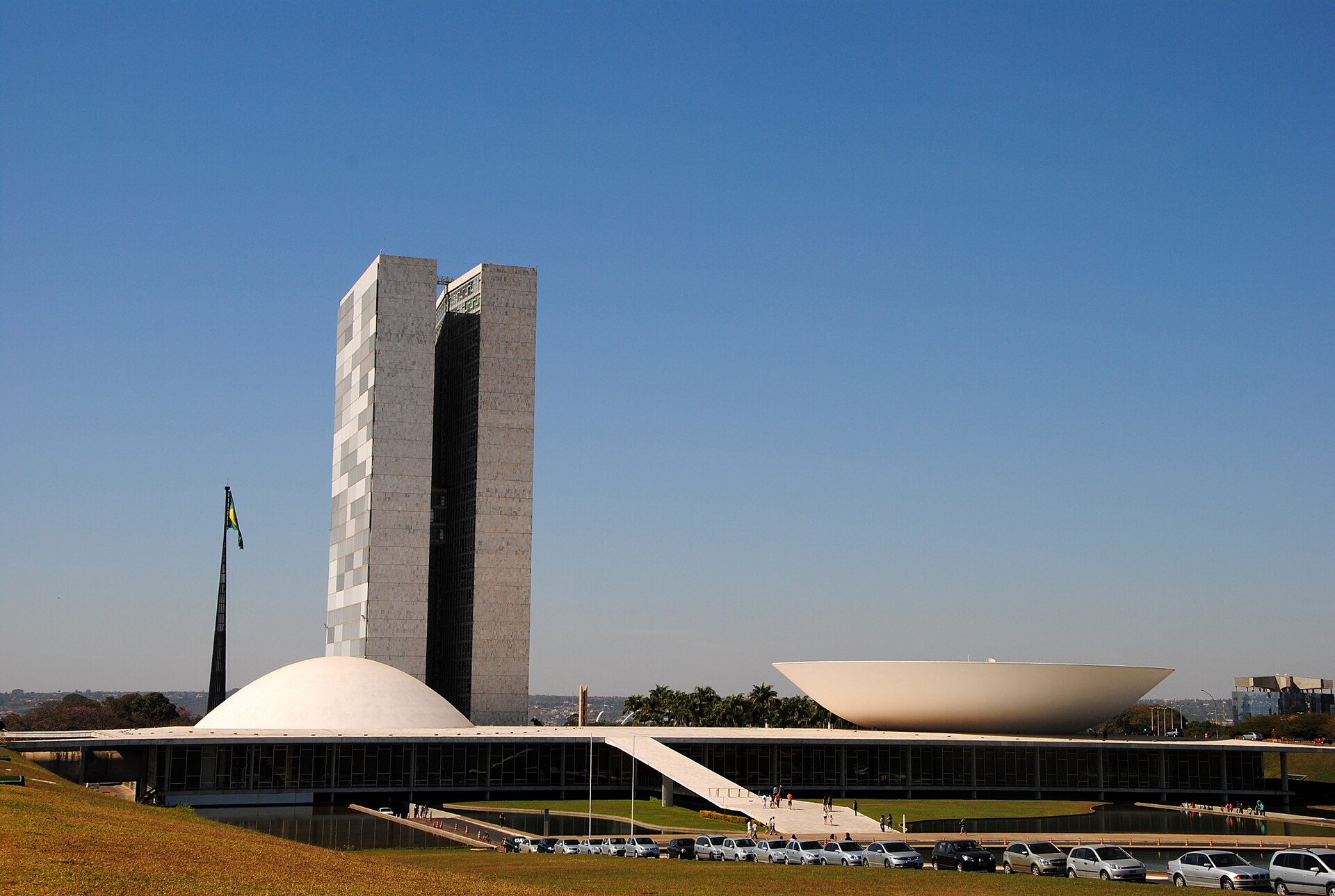
The Brazilian Congress is living its days of accounting trance. With the Senate's approval of the fiscal adjustment package framework (PLP 299/2026), the government is negotiating with its own base to approve measures that contain the growth of mandatory expenses. Outside, students and unions protest against the risk to health and education funds, as monitored by Brasil de Fato. Inside the offices of Faria Lima, major bankers like André Esteves from BTG Pactual declare to Folha de S.Paulo that the market "shows urgency" for the government to put its accounts in order. It is the traditional plot of financial blackmail where the threat of capital flight sets the country's policy.
The readings on the crisis repeat a worn-out script. The liberal view treats fiscal adjustment like a law of physics. For them, the State is invariably bloated and irresponsible. The financial market, seen through this lens, is not a political agent defending its interests, but a neutral and technical "thermometer" that demands debt reduction to generate the mythical trust that attracts investment. The way out is simple: cut deep — into others.
At the other institutional extreme, the progressive reading attempts to humanize the scissors. Left-wing party leaders resist the cuts, arguing, as G1 points out, that if the government "can negotiate with the market, it can negotiate with us". This wing asks that the sacrifice be compensated by taxing the super-rich and preserving the floor for health and education. It is an honest attempt at damage control, but one that has already capitulated on the premise.
What neither the market spokesperson nor the institutional left can admit is the profound depoliticization of the economy that this debate enshrines. By accepting that the public budget must be guided by the approval of unelected creditors, the core of democracy is emptied. A State truly at the service of the population cannot be held hostage to the moods of those who profit from the public debt. The premise that social policy has a financial "ceiling" is, deep down, the acceptance that capital dictates the rules of human coexistence.
True radicalism does not lie in asking for a fiscal adjustment that spares the poorest, but in inverting the logic of submission. The economy is not a force of nature; it is a political construct. If the current arrangement threatens the funding of vital services, the solution is not to cut social rights, but to subordinate financial power to popular sovereignty. Instead of demanding the "fiscal adjustment" of the State, true democracy would demand the fiscal adequacy of the market — subordinating financial profit margins and the accumulation of private wealth to collective welfare guidelines.
The impasse, however, is structural. If a government decided tomorrow to submit capital to political will, it would face immediate retaliation from financial globalization: capital flight, speculative attacks against the currency, and investment strikes. The market acts as an armed party with invisible sanctions. The question that no project of fiscal adequacy can close without pain is exactly this: how to regain democratic control of the economy if, at the first sign of insubordination, the owner of the money simply unplugs the country?
Sources
- Brasil de Fato · ◆ independent, BR
- Folha de S.Paulo · ■ private, BR
- G1 · ■ private, BR
How to cite
Mizan. “The Trap of Fiscal Adjustment and the Tyranny of the Budget”. critics.press, November 16, 2026. https://critics.press/en/the-trap-of-fiscal-adjustment-and-the-tyranny-of-the-budget
Summarising, quoting or building on this piece, including with artificial intelligence, is allowed with a link to it and credit. Licence and use.
Editor in charge: Prof. Dr. Adriano de Assis Ferreira · Lattes · ORCID